
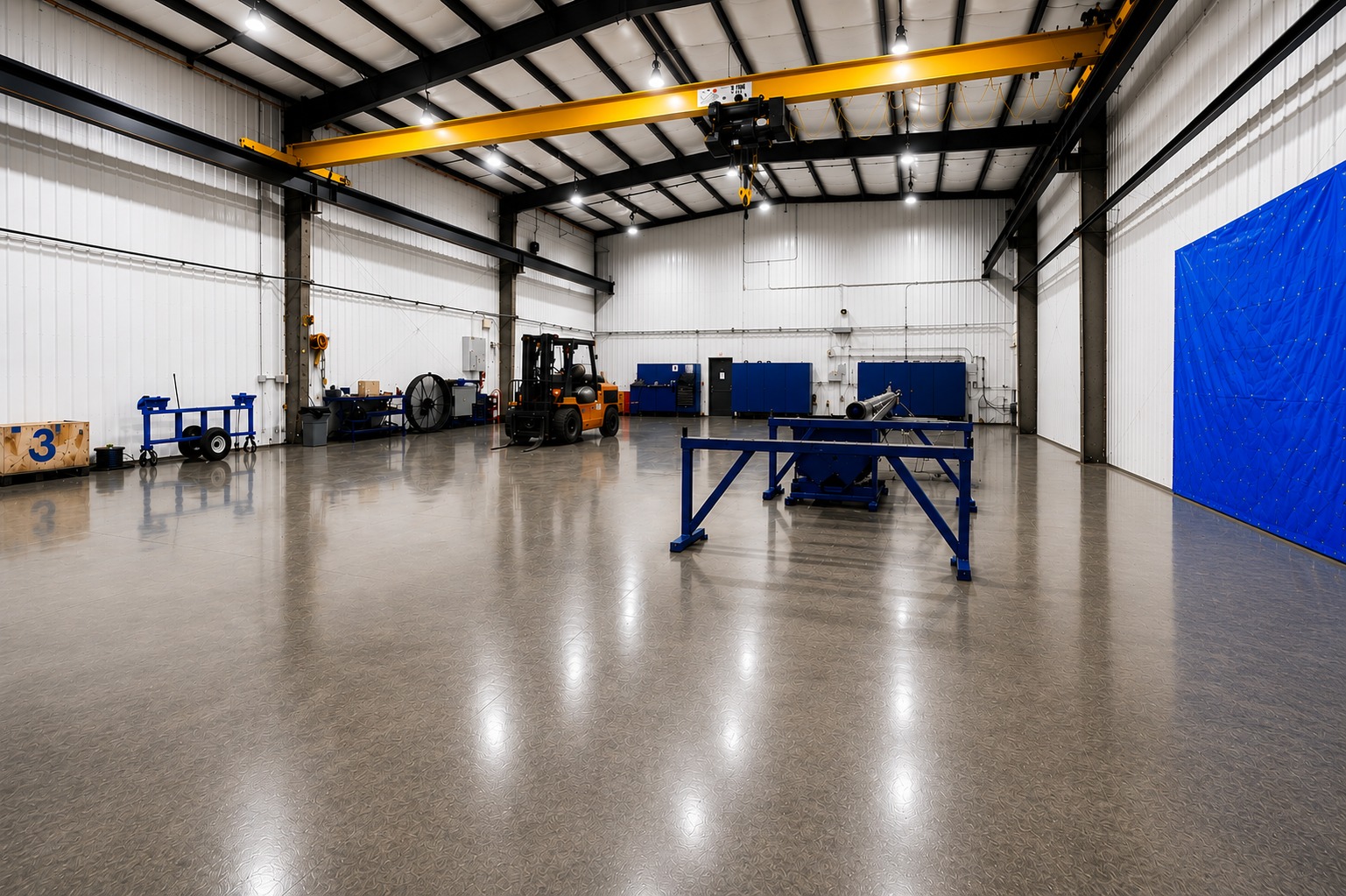
Stator Rubber Removal
Power Section Stator Elastomer removal using high-pressure water jetting is a technique employed to remove the elastomer material from the stator of a downhole drilling motor’s power section. High-pressure water jetting can effectively dislodge and wash away the elastomer without damaging the stator itself. The process typically involves the following steps:
- Equipment Setup: High-pressure water jetting equipment, including a high-pressure pump, hoses, and specialized nozzles.
- High-Pressure Water Jetting: The high-pressure water is directed onto the elastomer-coated stator surface using the specialized nozzle. The water is pressurized to a level that effectively dislodges and removes the elastomer without causing damage to the stator.
- Nozzle Selection: The choice of nozzle depends on the specific requirements of the elastomer removal. Different nozzles with various spray patterns, angles, and flow rates may be used to optimize the cleaning process for the stator’s surface.
- Water Jetting Process: The high-pressure water is applied to the elastomer-coated stator surface, effectively breaking down and removing the elastomer material. The force of the water stream helps to dislodge the elastomer from the stator, restoring its functionality.
- Debris Removal: As the elastomer is dislodged, it is washed away by the continuous flow of water. Debris catchers or filters may be used to prevent debris from re-depositing on the stator or other equipment.
- Inspection and Verification: After the elastomer removal process, the stator is thoroughly inspected to ensure that the elastomer deposits have been successfully removed. Visual inspections or other evaluation methods may be employed to confirm the cleanliness and integrity of the stator.
No Abrasive or chemicals are used in this process.
It is important to note that the specific procedures and equipment used for elastomer removal with high-pressure water jetting may vary depending on the manufacturer’s recommendations, the condition of the stator, and other factors. Adhering to industry best practices and safety guidelines is crucial to ensure the successful removal of elastomer deposits from the power section stator without causing damage.
Storage Service
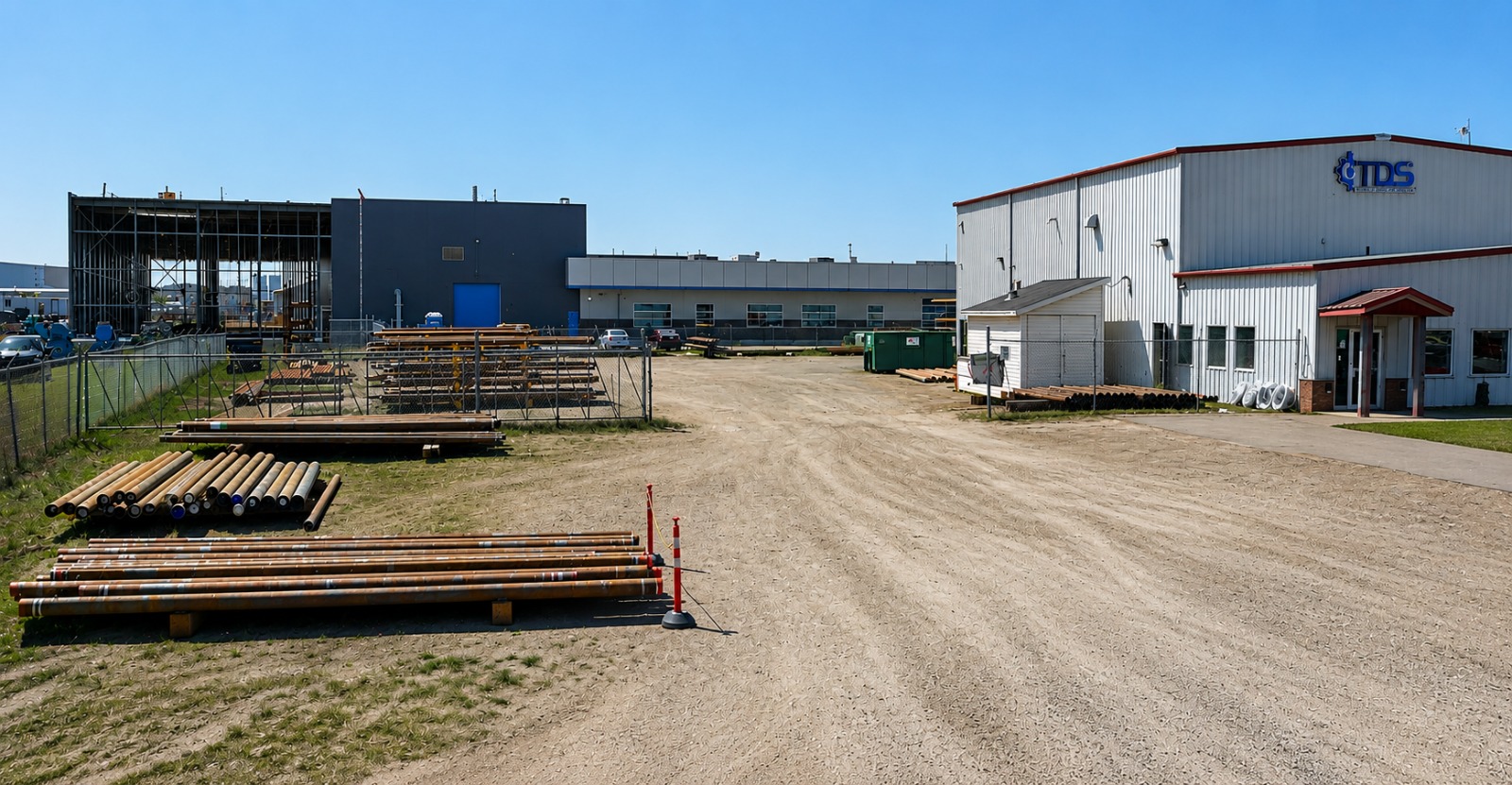
Discover peace of mind with our comprehensive stator storage solutions. Boasting a sprawling one-acre yard, we offer secure storage facilities capable of accommodating over 500 tubes. Trust us to safeguard your stators with ample space and top-tier security measures.
Inspection
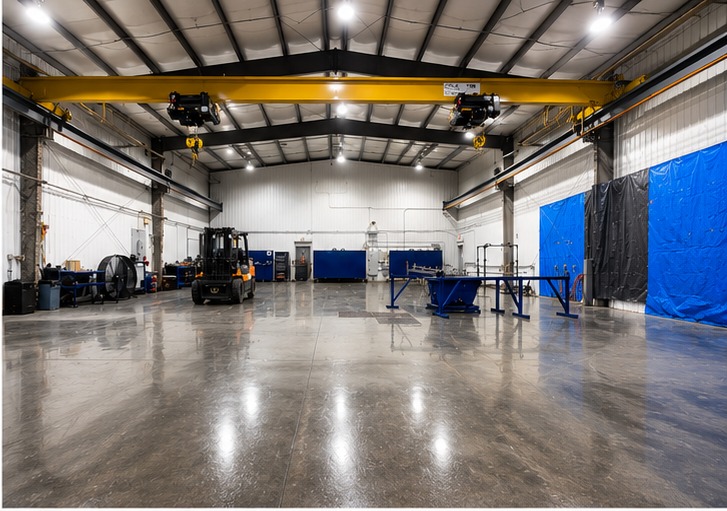
Inspections are used evaluating the condition and integrity of the power section of a downhole drilling motor. Regular inspections of the power section are essential to identify any issues, such as wear, damage, or malfunctions, that may affect Re-line process.
- Visual Inspection: A visual examination is conducted to identify any visible signs of damage or wear on the power section components. This includes inspecting the stator such as cracks, erosion, corrosion, or any anomalies.
- Measurement and Dimensional Checks: Precise measurements are taken to assess critical dimensions of the power section components, such as stator and rotor diameters, groove depths, and clearances. These measurements are compared against the manufacturer’s specifications to identify any deviations.
- Reporting and Recommendations: A comprehensive inspection report is generated, outlining the findings, recommendations, and any required actions. This report serves as a valuable reference for maintenance planning and decision-making.
- OD (Outside Diameter) and ID (Inside Diameter) measurements are essential for assessing the dimensions and integrity of the components within the power section of a downhole drilling motor. Accurate OD and ID measurements provide valuable information about the condition of the components and help determine if they are within the manufacturer’s specifications.
- Third Party calibration is used on measuring tools to adherence for measurement standards for obtaining accurate and reliable OD and ID measurements of power section components.